- Disconcerting: Tom Vilsack at USDA
- Yet Another New Energy Source
- Is It a “Fish Farm” if I Stock the Creek?
- Letter to the New Farmer in Chief
- The Every-Six-Month Soap Job
- Late Fall Fruit: Persimmons!
- Used Tires: Pollution or Resource?
- Preparing for Winter
- When the Fruit Salad Ripens
- Home, Home On The Range…
- Activities
- Agritourism
- Alternatives
- Biofuels
- Building
- Cash Crops
- Cheesemaking
- Community
- Conservation
- Container Gardening
- Cooling
- Cooperatives
- Cultivated Herbs
- Dairy
- Doors
- Economics
- Emergency Preparedness
- Endangered Species
- Energy
- Environment
- Family
- Farm Policy
- Food Production
- Food Safety
- Food Storage
- Future Planning
- Garden
- Glazing
- Goats
- Harvest
- Health
- Heating
- Herbal Medicine
- Holidays
- Home Buying
- Home-Products
- Homestead
- Hunger
- Independence
- Indoor Plants
- Landscaping
- Livestock
- Log Construction
- Maintenance
- Medicine
- Nutritition
- Planters
- Pollution
- Porch Plants
- Rare Plants
- Recipes
- Recycling
- Renovating
- Repair
- Rural Development
- Schools
- Soap Making
- Solar
- Timber
- Time-Management
- Tools
- Transportation
- Vacations
- Water
- Wild Foods
- Wild Herbs
- Wind
- Windows
- Wine
- Yard
Letter to the New Farmer in Chief
November 6th, 2008

There is a resurgence of hope across America in the wake of Tuesday’s election of Democrat Barack Obama as President, promising a new direction of change for the future of our nation. Those of us who have been paying attention to the global financial meltdown, increasingly severe food shortages in the wake of global warming, and the outrageous poisoning of our citizens and livestock/pets by corrupt Chinese producers (a glaring example of globalization’s failures), are hoping that a new dawn in America will bring with it the serious changes to our agricultural policies that have grown increasingly necessary through decades of decline.
Now, politicians don’t generally talk much about agricultural policies while they’re stumping for votes in big cities. And they’re often so ignorant of agricultural issues that even rural dwellers - actual farmers - get nothing but pablum and platitudes in response to their questions. Luckily, journalist Michael Pollan wrote a great ‘open letter’ in the New York Times in October entitled, Farmer in Chief. This is a must-read for all of us committed to self-sufficiency, locally grown foods, the viability of family farms and homesteads, and the future health of an environment we all depend upon for life.
Filed under Alternatives, Conservation, Cooperatives, Economics, Environment, Food Production, Food Safety, Future Planning, Health, Hunger, Independence, Livestock, Pollution, Rural Development | Comment (0)Used Tires: Pollution or Resource?
September 19th, 2008

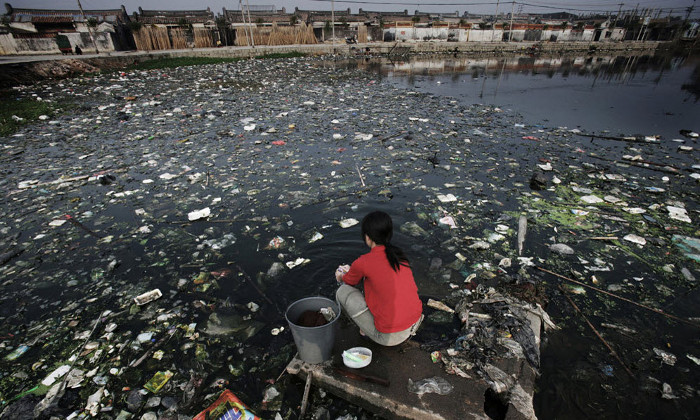
I don’t know about you, but I pick up junked tires that other people dump off the side of mountain roads in my county - usually along with assorted junked appliances and badly bagged household trash - and take them with me when I do the monthly trash run to our local Inconvenient Center. I call it that instead of its own self-title of “Convenient Center” because it’s damned IN-convenient. They put all their dumpsters inside a compound with high chain link topped by barbed wire and guarded by a grizzled old grouch (and his junkyard dog) who seem to really hate the idea that people have trash and recyclables to responsibly dispose of, which is only open 3 days a week when almost all of us are actually out working honest jobs instead of hauling our own trash.
Anyway, there is a corner of the inconvenient center devoted to junked appliances and tires, which supposedly get recycled at some point (though I’ve never noticed the piles to go down any). Better to have those big junk items at the center than on the roads and hillsides. They never biodegrade, they are breeding grounds for mosquitoes, and they look really nasty. So, you might have been wondering, how exactly do they recycle things like the 190 million car, truck and equipment tires tossed every year in this nation, and what COULD be done with them?
My friend Vito over at RideLust has asked the obvious question, based on a recycling technology that could actually be of some great use and wouldn’t spread West Nile Fever. It’s called Rubberized Asphalt Concrete [RAC], and it would not only give us better, longer lasting road surfaces, it would save us a whole heck of a lot of petroleum dependence!
Filed under Energy, Environment, Pollution, Recycling | Comment (0)