
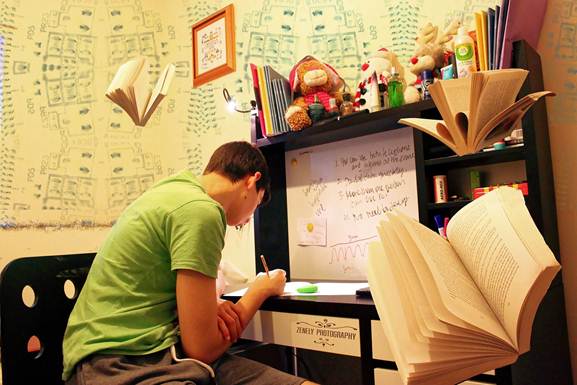
On average, students spend six hours a day at school. Most of this time is spent sitting behind a school desk. With design in mind, a majority of desks encourage a student to sit still. As a classroom staple, a desk tends to be a home away from home for these students. Below are the …
Category
Showing: 1 - 4 of 4 RESULTS
Timber

Acquire wide range on Timber Supplies for your Building
If you are on a lookout for an excellent company to buy timber for your home or office to renovate your own home, you will need to locate an excellent timber supply company in order to get all the top quality material needed for the construction. You can make your home look chic with the …

Earthlodge: The Original Sod Home
I read an interesting article on the “earthlodges” of Native Americans in the Dakotas the other day. I’d learned early in my life when the family moved from New York to “Indian Territory” – Oklahoma – that not all Native Americans lived in those portable teepee tents so prevalent on the plains. I knew the …
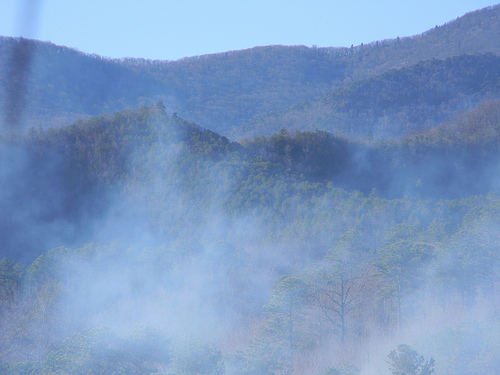
Fire on the Mountain …Again
I kind of knew that three whole springs without a forest fire along the Norfolk-Southern’s grade over the continental divide was pushing things. Hoped maybe their relatively new-found practice of carefully checking their brake connections BEFORE heading uphill into the ‘loops’ might become a habit. It’s been raining pretty steady, and yesterday it snowed. Not …